Italian Kitchen Cabinets vs. American Cabinets: What’s the Difference

1. Design Philosophy: Minimalism vs. Tradition.
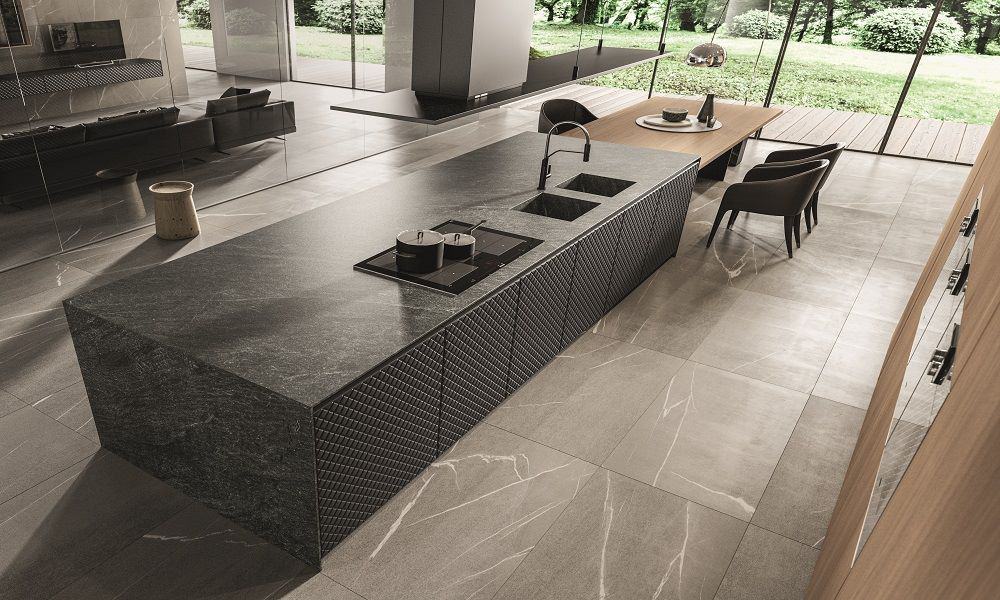
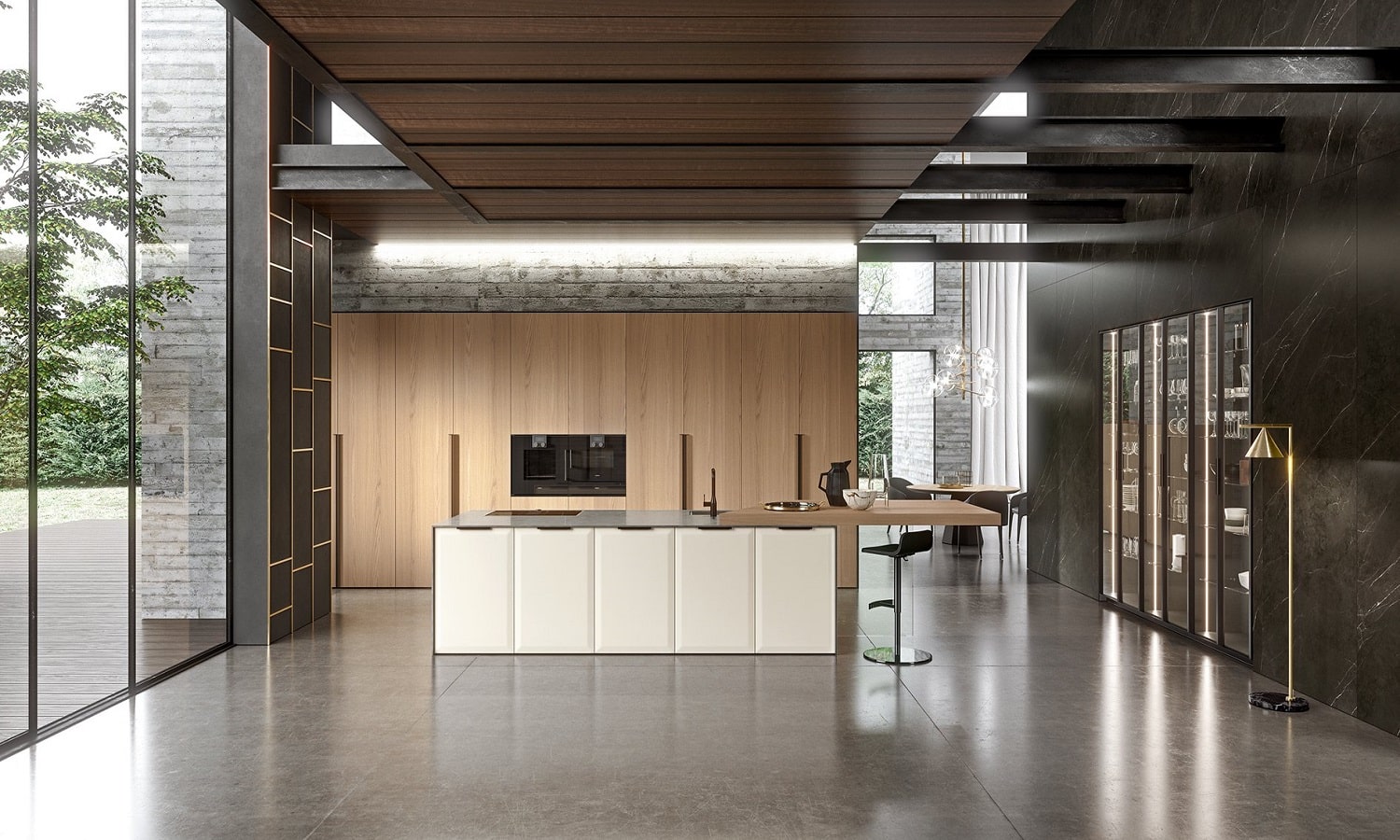
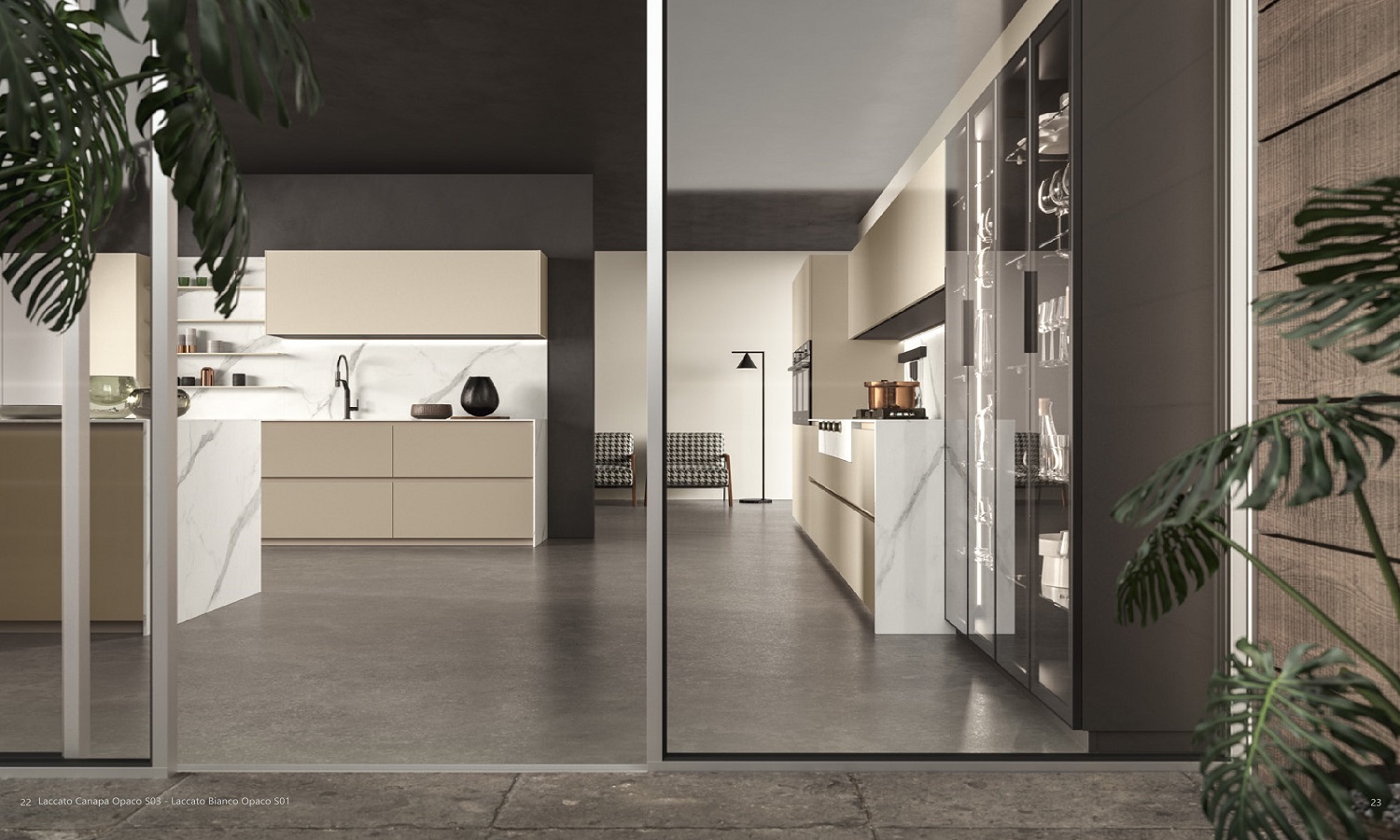
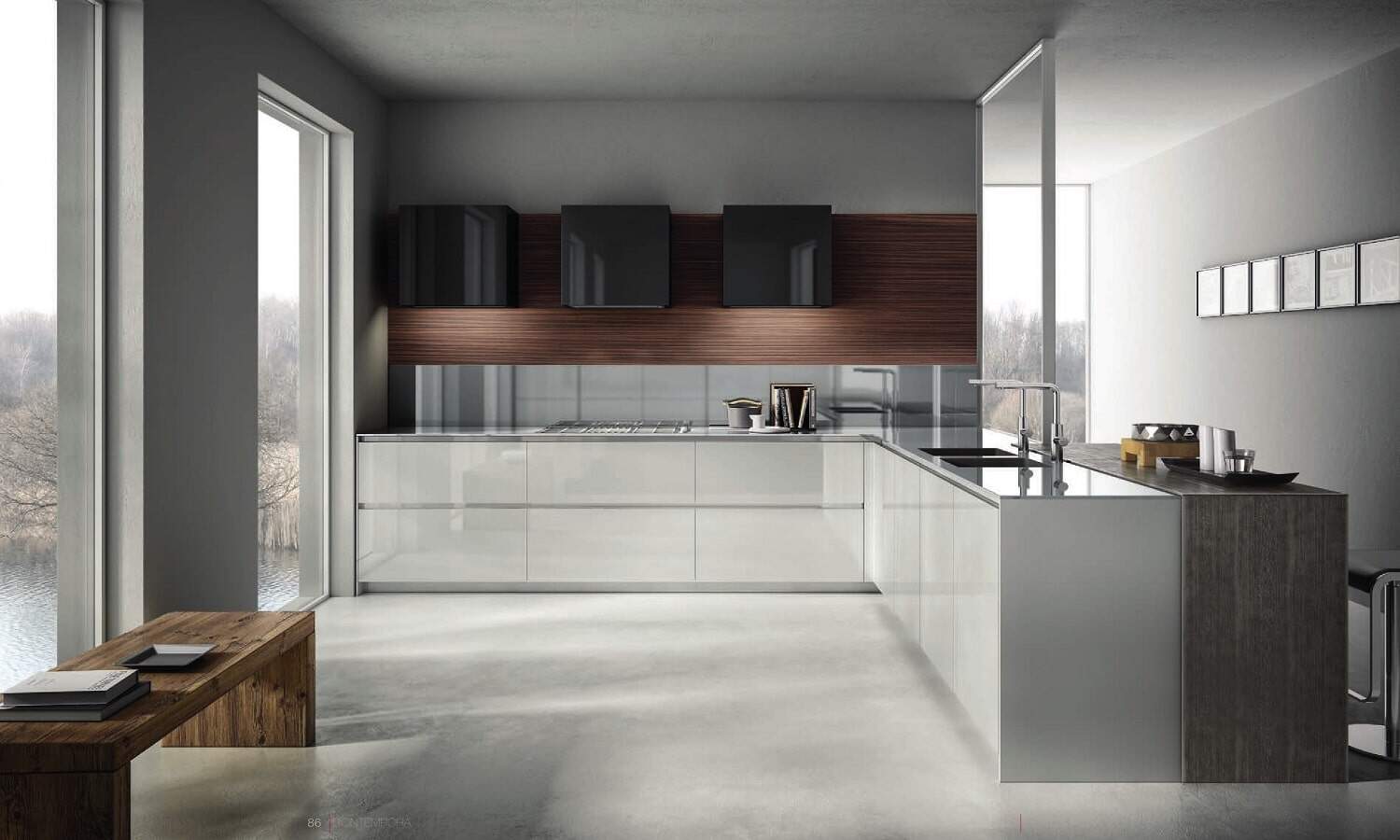
Italian Kitchen Cabinets Modern architectural principles and modern European design directly shape Italian cabinetry. This approach prioritizes clean, uninterrupted lines and spatial harmony, characterized by:
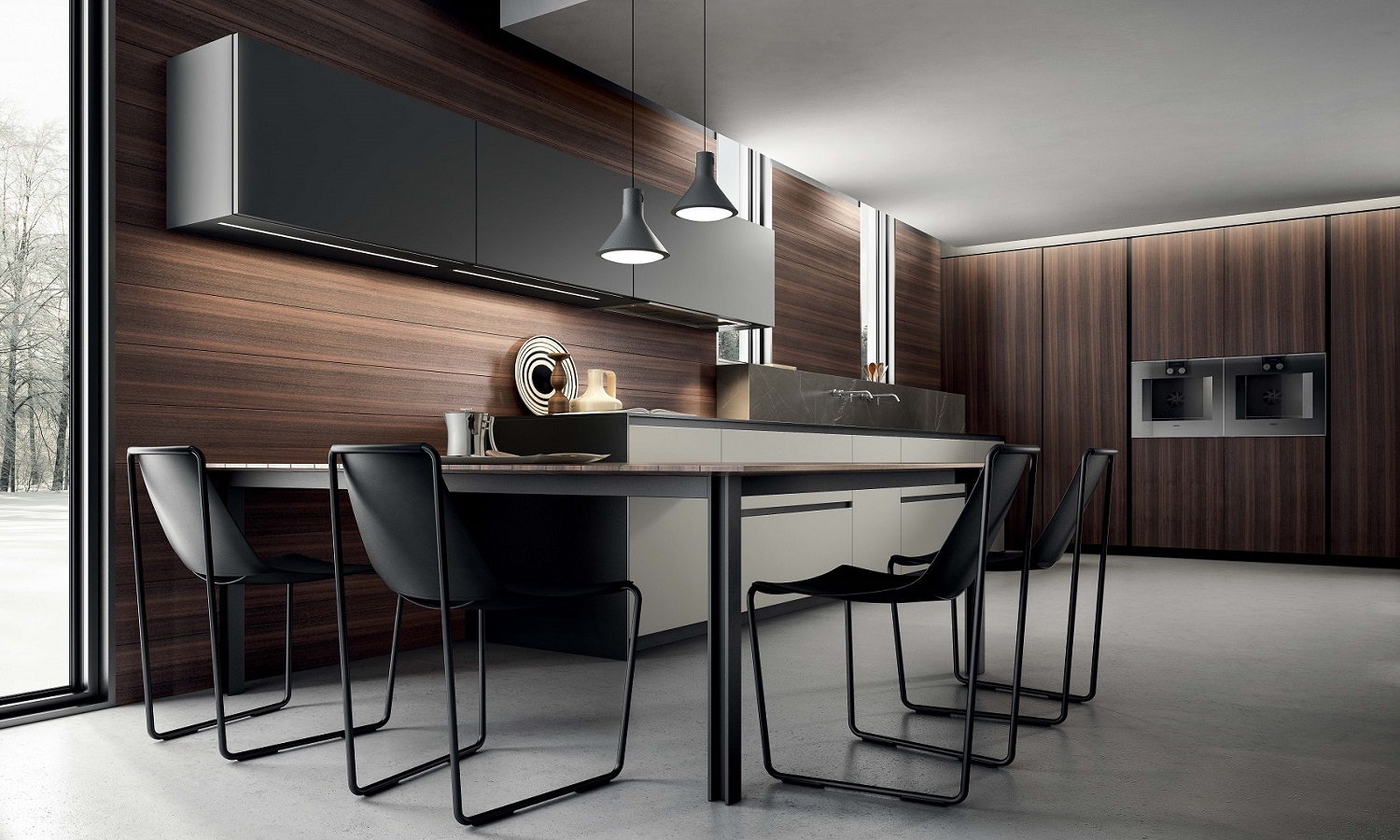
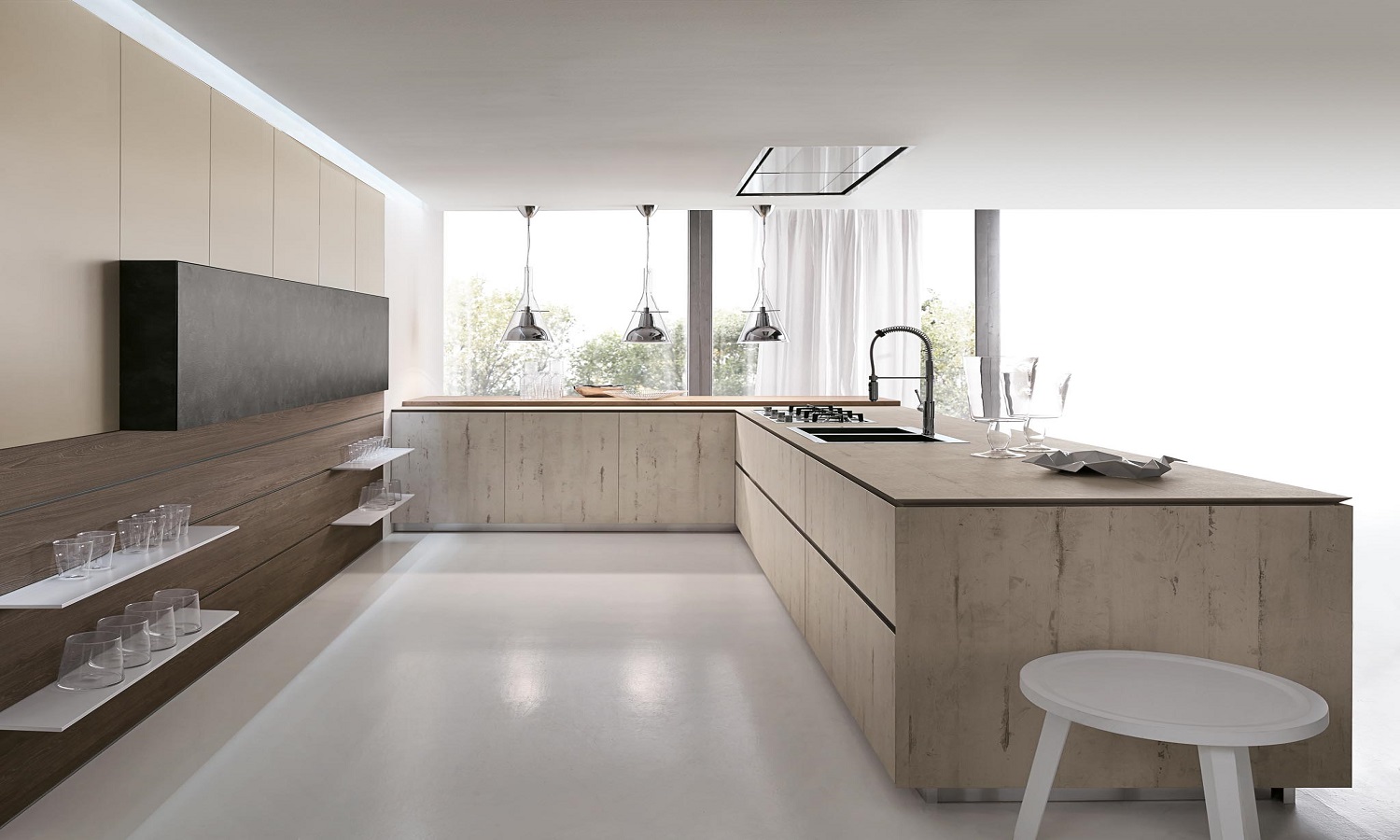
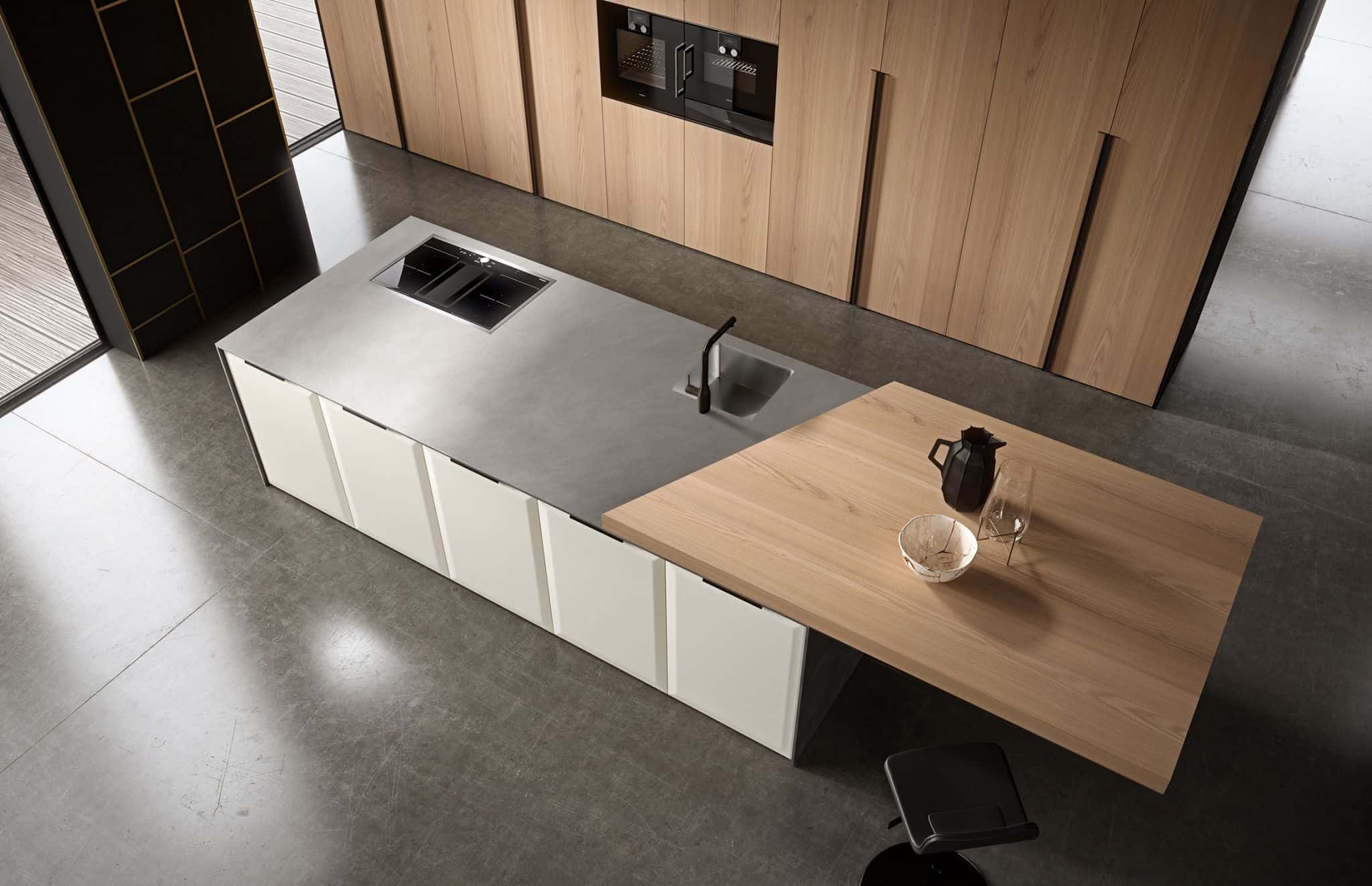
Minimalist Aesthetics: Handless channel systems, push-to-open mechanisms, and integrated handles maintain a continuous, seamless profile across entire walls.
Proportion & Balance: Everyday function is hidden behind uniform, full-overlay doors that align precisely to align with surrounding structural elements and high-end built-in appliances.
Material Integrity: Rather than relying on ornate details, visual impact comes from luxurious raw materials—such as deeply textured wood veneers, excimer ultra-matte lacquers, metals, and tactile natural stone.
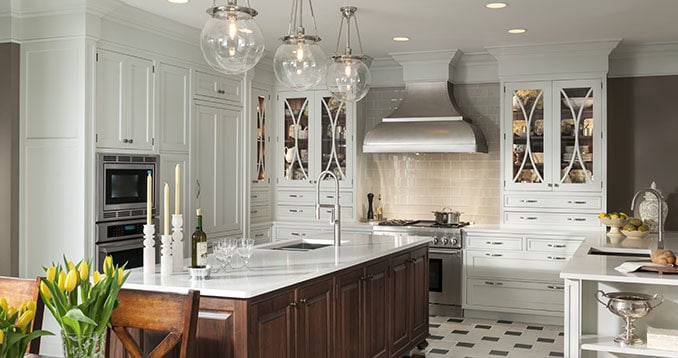
American Kitchen Cabinets American cabinetry leans heavily toward classic, traditional, and transitional styles, prioritizing familiar architectural detailing and warmth:
Defined Structure: Built primarily using face-frame construction, where the front frame of the cabinet box remains visible around door borders and drawer fronts.
Furniture-Style Craftsmanship: Popular door styles—including classic Shaker profiles, raised panels, beadboard accents, and decorative crown moldings—create a crafted, furniture-like appearance.
Decorative Hardware: Visible pulls, classic knobs, and statement handles act as key design accents, defining the character of the space.
While American cabinetry excels at creating traditional warmth, Italian kitchens offer a sleek, modern architectural statement that elevates open-concept urban homes and modern luxury spaces.
2. Construction and Engineering.
Italian Cabinets (European system)
- Made with precision using advanced machines
- Built-in systems for storage and accessories
- Consistent quality, even in large-scale production
American Cabinets.
- Often built with framed, face-frame construction, millwork, or semi-custom factory production.
- Quality depends on the manufacturer or the shop.
Italian systems emphasize efficiency, precision, and durability.
3. Materials & Finishes
Italian Cabinets.
- Advanced lacquers are used, including excimer ultra-matte finishes.
- Panels are high-quality and meet strict environmental standards.
- Innovative materials include textured laminates, metals, glass, and stone effects.
American Cabinets
- Doors are made from painted or stained wood.
- Boxes are constructed from MDF or plywood.
- There is less innovation in finishes compared to European systems.
Italian manufacturers are leaders in material innovation and finish durability.
4. Customization & Flexibility
Italian Cabinets
- Sizes, finishes, and configurations are fully customizable.
- They are designed to seamlessly integrate appliances and architecture.
- These cabinets are ideal for complex NYC layouts and luxury developments.
American Cabinets.
- Semi-custom lines have limited size options.
5. Performance, Innovation & Built-In Accessories
Italian Cabinets
- Engineered surfaces are resistant to scratches, stains, and UV exposure.
- Advanced finishes maintain color and texture over time.
- Hardware systems are tested for long-term use.
- Italian manufacturers invest continuously in advanced product development, new materials, and innovative technologies.
- Built-in accessories are highly integrated, featuring concealed storage, engineered organizers, and seamless functional solutions.
American Cabinets
- Solid wood may expand or contract with changes in humidity.
- Painted finishes may show signs of wear or yellowing over time.
- Accessories are often added separately rather than fully integrated into the cabinetry system.
6. Cost Consideration
- Italian kitchens require a higher upfront investment, but include advanced engineering, premium materials, and sophisticated design.
- American cabinets are available across a wide price range, from budget options to high-end custom solutions.
Frequently Asked Questions (FAQ)
Q: What is the main structural difference between Italian and American kitchen cabinets?
A: The primary difference lies in the frame construction. Italian kitchen cabinets use a frameless (European-style) design, where hinges mount directly to the inside of the cabinet box to maximize internal storage space and create a seamless, minimalist aesthetic. Traditional American cabinets typically use a face-frame construction, featuring a wooden rim around the front of the box, which creates a more classic, framed look with visible borders.
Q: Are Italian kitchen cabinets more expensive than high-end American cabinets?
A: Not necessarily. While entry-level Italian cabinetry requires a higher initial investment than mass-produced domestic cabinets, high-end American custom millwork often costs the same or more once custom shop labor is calculated. When comparing equal material quality, hardware, and custom finishes, Italian kitchens offer superior factory precision, advanced surface technology, and modern design at a competitive price point.
Q: How do Italian cabinet finishes hold up compared to painted American cabinets?
A: Italian cabinetry leads the industry in surface technology, utilizing advanced finishes such as excimer ultra-matte lacquers, thermal-structured surface (TSS) laminates, and anti-fingerprint nanotech coatings that resist scratches, UV yellowing, and moisture. Traditional painted American cabinets use wood or MDF substrates that can expand, contract, or chip over time under humidity shifts, requiring more maintenance in residential settings.
Q: Why are frameless Italian cabinets ideal for NYC luxury apartments and condos?
A: Space efficiency is critical in New York City real estate. Frameless Italian cabinets eliminate unusable frame gaps, providing up to 10–15% more usable storage capacity inside drawers and shelves compared to face-frame cabinets of identical exterior dimensions. Their clean, architectural design and integrated handleless channels also complement open-concept loft layouts and urban luxury developments.
Q: Do Italian kitchen cabinets come pre-assembled or in flat packs?
A: Urban Homes offers luxury Italian cabinets from Aster Cucine, which arrive fully assembled, carefully packed in protective boxes, and completely ready to install. Built in Italy with precision factory engineering, rigid construction, and factory-tested hardware, each unit is delivered ready for direct installation on site without requiring complex assembly.
Q: Can Italian kitchen cabinets accommodate built-in panel-ready American appliances?
A: Yes. Modern Italian cabinetry systems are engineered to seamlessly integrate with standard American luxury appliance brands (such as Sub-Zero, Wolf, Miele, and Thermador). Cabinet panel doors, lift-up mechanics, and niche dimensions are customized during the design phase to match exact manufacturer specs for a fully integrated, flush look.