
What Is the Difference Between Modern, Transitional, and Traditional Kitchen Designs?
Choosing the right kitchen style is a key part of any renovation. Today, the kitchen is more than merely a place to cook; it is the heart of the home, where design, function, and lifestyle come together. At Urban Homes NYC, we help homeowners in Manhattan, Brooklyn, and Northern New Jersey find a design direction that fits both their home’s architecture and their personal style. Modern, transitional, and traditional kitchens each follow a different design philosophy. Knowing how they differ in structure, materials, details, and overall feel will help you make an informed, confident choice for your home.
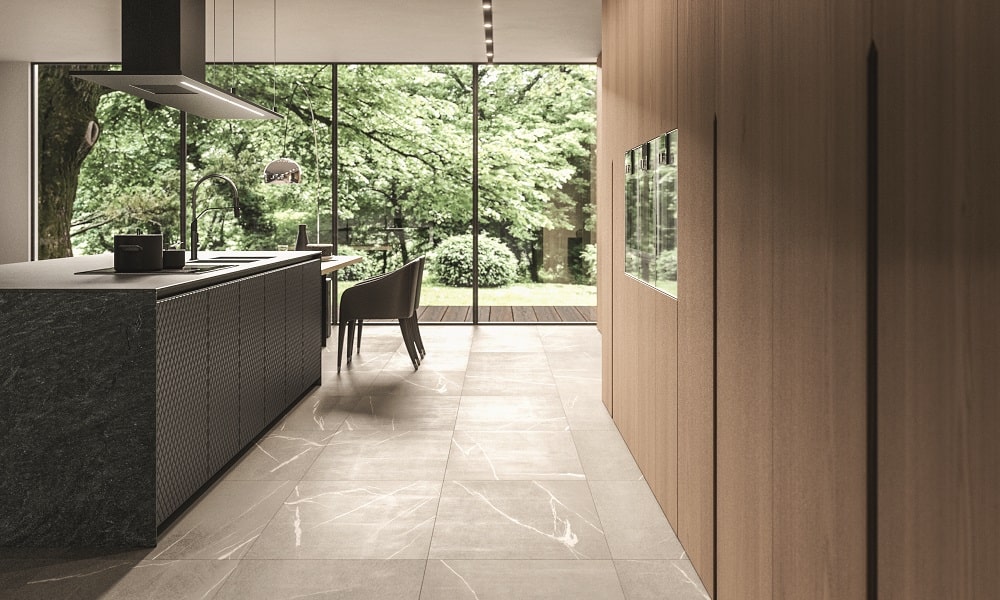
Modern Kitchen Design
Modern kitchens are defined by simplicity, precision, and clean architectural lines. Often inspired by European design, this style prioritizes minimalism and functionality without losing sophistication.
Key Features:
- Flat-panel (slab) cabinet doors
- Handleless cabinetry or integrated finger pulls
- Neutral color palette (white, gray, black, taupe)
- Matte or high-gloss finishes
- Waterfall countertops
- Large, functional islands
- Seamless appliance integration
Modern design removes visual clutter. There are no decorative trim or decorative carvings. Instead, emphasis is placed on proportion, alignment, and material excellence. Commonly used materials include wood veneer, lacquer, glass, metal accents, and engineered stone. Lighting is also important. Under-cabinet LED strips, recessed ceiling lights, and linear pendants help create a sleek look. Modern kitchens are a great fit for contemporary apartments, lofts, and new homes that feature clean lines and open layouts.
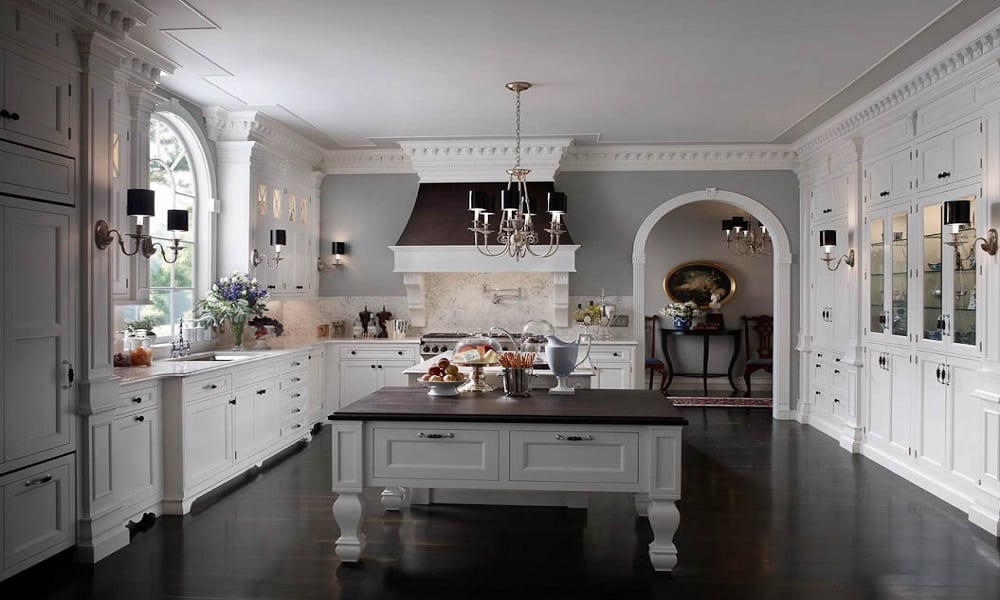
Traditional Kitchen Design
Traditional kitchens are based on classic craftsmanship and detailed architecture. They highlight depth, texture, and decorative touches that give a lasting and elegant feel.
Key Features:
- Raised-panel cabinet doors
- Decorative moldings and corbels
- Detailed range hoods
- Framed cabinetry construction
- Warm wood tones or creamy painted finishes
- Ornate hardware
Traditional kitchens usually use natural woods like cherry, walnut, or maple. Glazed finishes and layered moldings add richness and depth.
Symmetry matters in traditional kitchens. Cabinets are usually arranged around a main feature, like a decorative hood or a detailed island. Lighting often includes lantern-style pendants or chandeliers to create a classic feel.
This style is perfect for historic homes, classic estates, or anyone who values architectural heritage and timeless design.
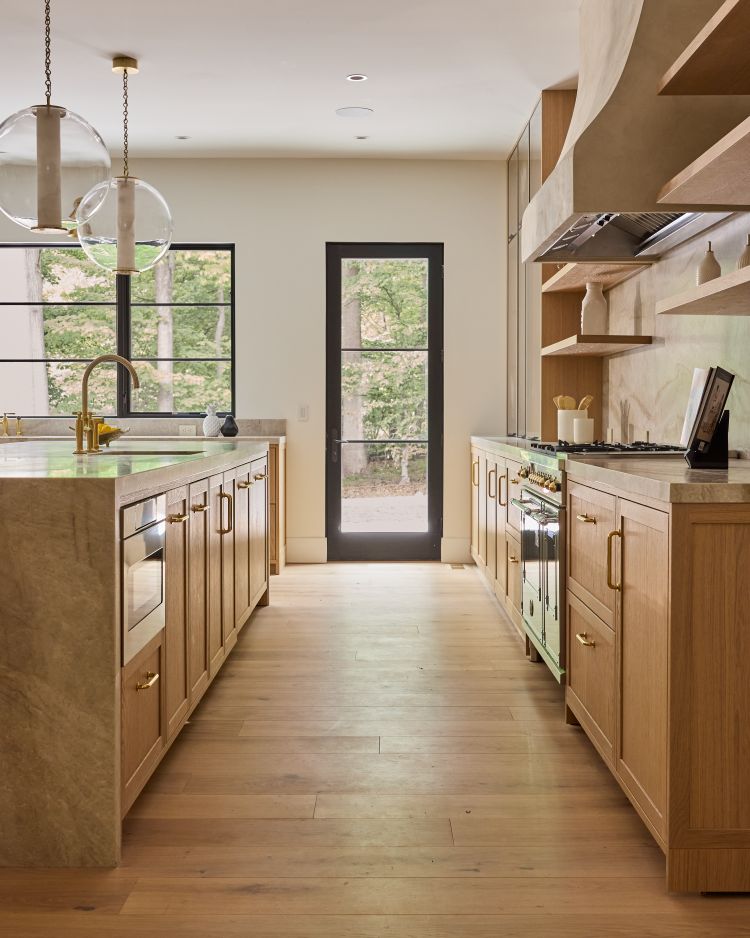
Transitional Kitchen Design
Transitional kitchens blend the heat of traditional design with the clean look of modern style. This approach is very popular in NYC and New Jersey because it is flexible and appeals to many homeowners.
Key Features:
- Shaker-style cabinet doors
- Soft crown molding
- Neutral tones with subtle contrast
- Clean but visible hardware
- Statement lighting fixtures
- Mix of natural wood and painted finishes
Transitional design avoids heavy decoration but keeps classic structure. Cabinet profiles are simple but not completely flat, and decorative details are subtle and tasteful.
Color schemes commonly feature warm whites, pale grays, greige, and natural wood accents. Countertops are usually quartz or marble with gentle veining. Hardware is often brushed brass, polished nickel, or matte black to add a modern touch.
This style looks great in brownstones, townhomes, and suburban homes, especially for those who want a timeless look that doesn’t feel too serious.
Layout & Function Differences
Each style also affects how you plan your kitchen layout:
- Modern kitchens often emphasize open layouts, hidden storage systems, and large, multifunctional islands.
- Transitional kitchens balance open space with functional storage options and decorative accents.
- Traditional kitchens may incorporate more defined zones and architectural framing elements.
In high-end projects, custom cabinetry gives you flexibility with any of these styles, so your kitchen works well and looks great.
Quick Comparison
| Cabinet Style | Flat panel | Shaker | Raised panel |
| Hardware | Minimal / hidden | Simple pulls | Decorative hardware |
| Ornamentation | None | Subtle | Detailed |
| Color Palette | Neutral & bold contrasts | Soft neutrals | Warm, rich tones |
| Overall Feel | Sleek & minimal | Balanced & inviting | Elegant & classic |
Which Style Is Right for Your Home?
Deciding between modern, transitional, and traditional styles depends on a a few important factors:
- Your home’s architecture
- Ceiling height and natural light
- Lifestyle and storage needs
- Long-term resale considerations
- Personal taste and comfort level
Many luxury kitchens today mix features from different styles. For example, a modern kitchen might include warm walnut finishes, or a transitional kitchen might use simple hardware for a cleaner look.t Urban Homes NYC, we often design fully custom kitchens that blur the borders between categories while maintaining a clear design direction.
Final Thoughts
Each kitchen style—modern, transitional, and traditional—has its own benefits. Modern kitchens are sleek and efficient. Transitional kitchens offer balance and timeless flexibility. Traditional kitchens bring rich details and classic character.
The key is not just picking a style, but making sure it is done with care, quality materials, and good planning. When designed well, any of these styles can add value to your home and improve your daily life for years to come. You’re planning a kitchen renovation in NYC or Northern New Jersey, working with experienced designers ensures your vision translates into a space that remains both beautiful and functional.