
Kitchen Remodeling in NYC: How to Design a Kitchen That Truly Works in New York
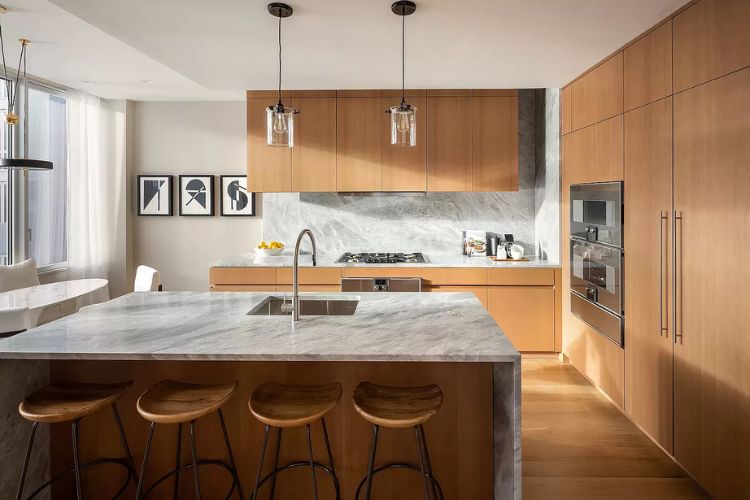
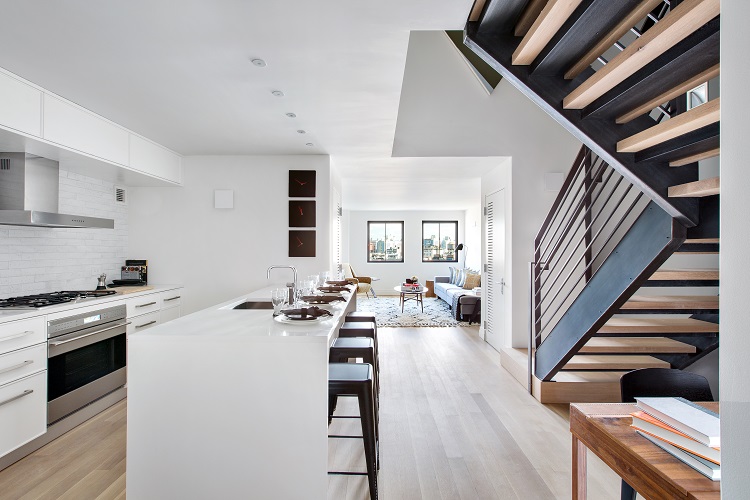
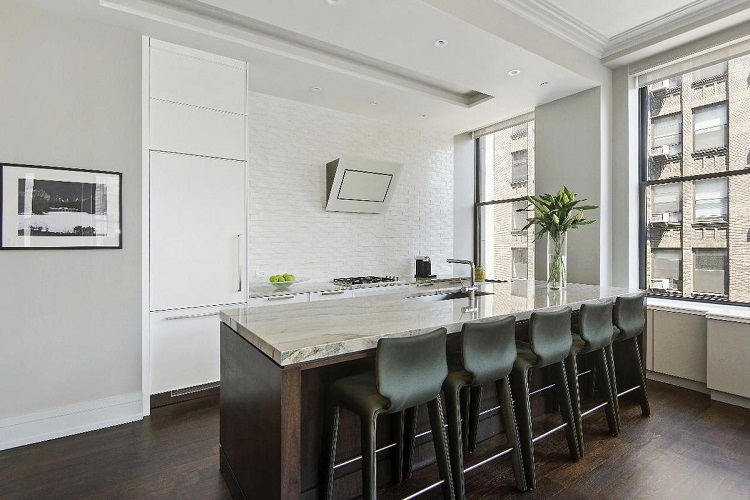
Kitchen remodeling in New York City is different from anywhere else. From compact Manhattan apartments to historic Brooklyn townhouses and luxury penthouses overlooking Central Park, an NYC kitchen renovation requires smart planning, experienced professionals, and a deep understanding of local building realities.
Why Kitchen Remodeling in NYC Is Unique
- Limited square footage
- Co-op and condo board approvals
- Older plumbing and electrical systems
- Noise, access, and work-hour restrictions
The Real Challenges of Designing a Kitchen in NYC
Limited space and tight layouts are common in NYC kitchens, especially in pre-war buildings and apartments . Designers have to work with:
- Narrow galley layouts
- Limited wall space
- Low or irregular ceiling heights
Every inch counts. Using custom cabinets, built-in appliances, and careful planning helps small kitchens feel more open and practical.
Elevator & Access Limitations
One of the most common—and costly—NYC remodeling challenges is building access.
In many cases:
- Full-size appliances do not fit in elevators
- Stairwells are narrow or sharply angled
- Buildings restrict delivery hours or require supervision
This often requires:
- Selecting appliance models designed for urban buildings
- Disassembling cabinetry or appliances for delivery
- Coordinating tightly with building management
Experienced NYC kitchen designers think about access problems before finalizing any plans.
Kitchens with No Natural Light
It’s very common for NYC kitchens to have no windows or limited daylight, especially in older apartments.
Design solutions typically include:
- Lighter cabinet finishes
- Reflective materials such as lacquer, glass, or quartz
- Layered lighting (ambient, task, and accent)
- Under-cabinet and integrated LED lighting
.
Limited Electrical Power & No 220V Availability
Common limitations include:
- No access to 220V power for European or professional appliances
- Load limits that prevent multiple high-draw appliances
- Outdated electrical panels requiring upgrades
Designers must carefully specify:
- Appliances compatible with 110–120V systems
- Induction and electric options suited for NYC buildings
- Energy-efficient equipment that stays within load limits
Smart Layouts for NYC Kitchens
Whether you’re remodeling a small galley kitchen or a large open-plan space, layout is everything. Popular NYC kitchen layouts include:
- Galley kitchens optimized with full-height storage
- L-shaped kitchens for corner apartments
- Open kitchens connecting living and dining areas
- Island kitchens in lofts and new developments
Custom kitchen design allows every inch to work harder—especially in New York.
Custom Cabinetry Makes the Difference
- Maximize ceiling height with floor-to-ceiling storage
- Integrate appliances seamlessly
- Customize interior organizers for daily efficiency
- Choose durable, high-quality materials that age well
European-style cabinetry is especially popular in New York for its clean lines, smart storage, and refined finishes.
Materials That Perform in New York Homes
:
- Quartz or porcelain countertops for low maintenance
- Natural stone for luxury residences
- Engineered wood or porcelain flooring for stability
- High-performance cabinet finishes resistant to wear and humidity
These materials stand up to daily use while maintaining a polished, timeless appearance.
Permits, Co-Op Boards & Building Compliance
One of the most critical parts of kitchen remodeling in NYC is navigating approvals:
- Co-op and condo board submissions
- DOB permits when required
- Licensed and insured contractors
- Approved plumbing and electrical plans
Working with an experienced NYC kitchen remodeling team helps avoid delays, fines, and costly mistakes.