Maximize Space with a Walk-In Closet

Maximize Space with a Walk-In Closet

Does your walk-in closet feel more like a place to hide clutter than a dream dressing room? If you’re always searching for that one sweater, the real issue might be your space, not your stuff. A walk-in closet system isn’t just a luxury. It’s a practical way to make your mornings less stressful.
Changing your closet is easier than you think. Start by measuring your space and choosing the right parts. The goal is a closet where you can see everything and find what you need, so you can stop feeling frustrated and enjoy using your closet every day.
 

Before You Buy a Thing: The 1-Hour Closet Inventory

It’s tempting to jump straight to shopping for a new closet system, but the single most important first step is a quick inventory. Just as you’d measure for a new appliance before designing a kitchen, you need to know what you own to build a system that truly works for you.
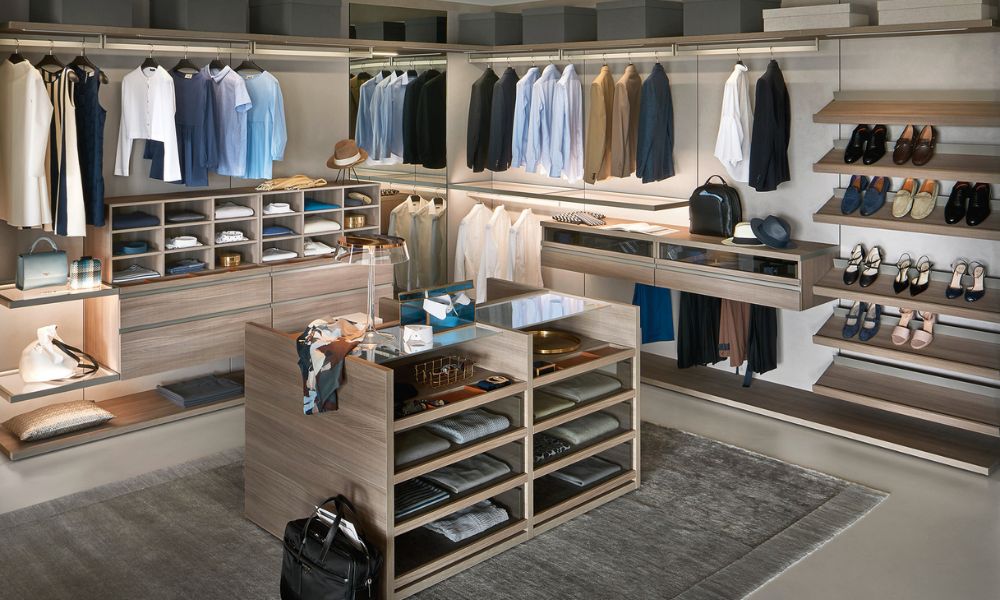
Once you’ve decided what to keep, group your items by type. This isn’t just about separating shirts from pants; it’s about seeing how much of each kind of storage you need. How many feet of short-hang space do your blouses and folded trousers require? How much long-hang space do your dresses and coats need? Seeing your folded sweaters in one pile gives you a real-world visual of your drawer or shelving needs.
This simple audit creates a personal blueprint. Suddenly, you’re not guessing anymore. You have the data to pick the right components and avoid the costly mistake of a system that doesn’t fit your wardrobe.

10 ways to avoid 'declutter regret' | Homes and Gardens

Wall-Mounted vs. Floor-Based: Which Closet System Is Right for You?

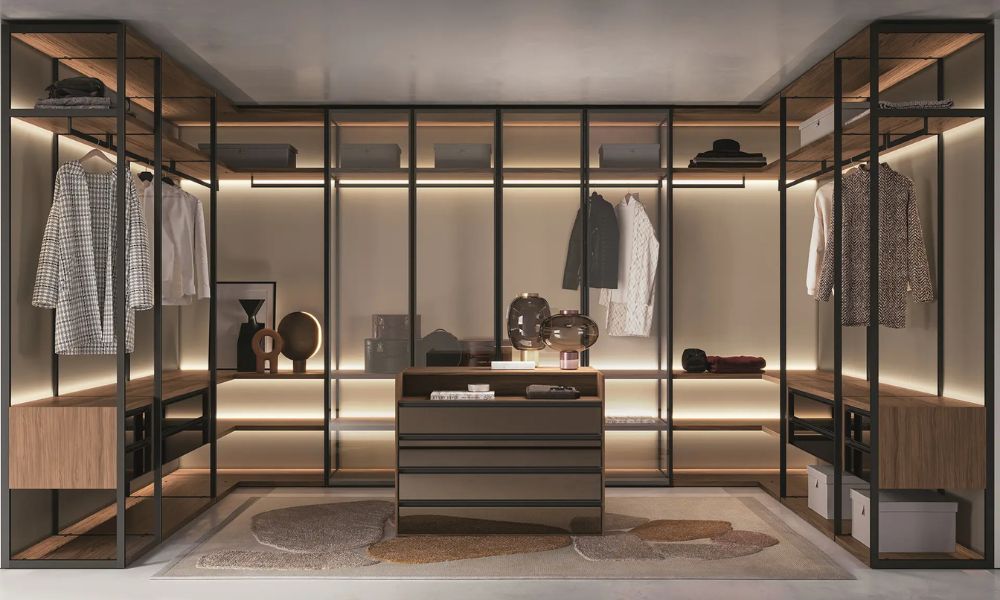
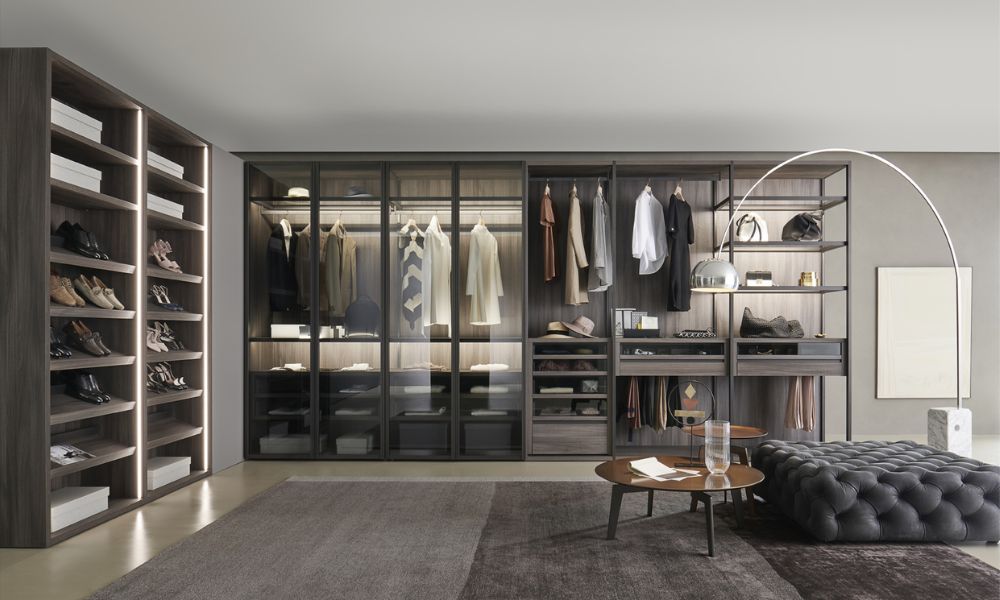
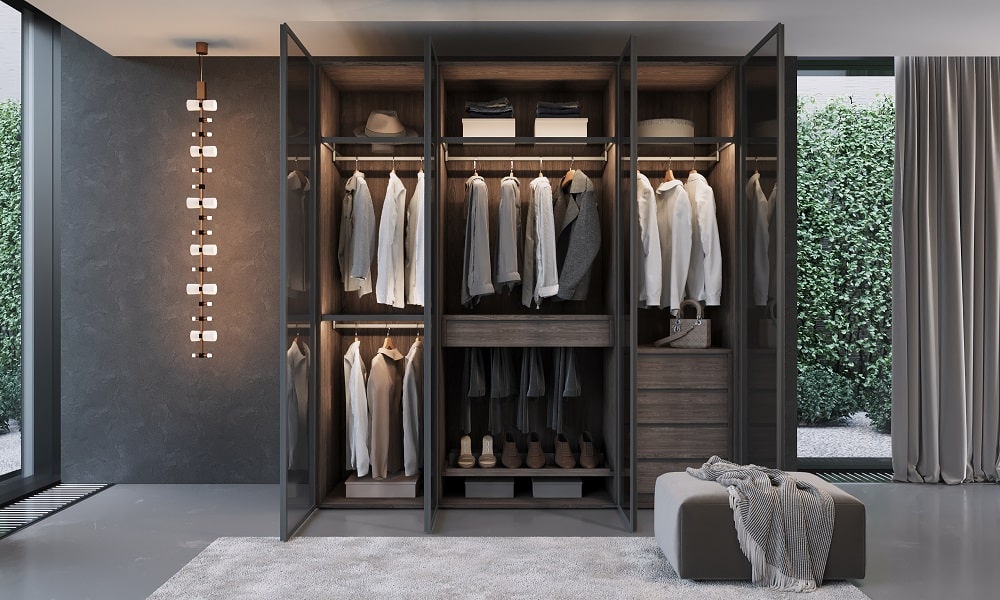
Once you have your wardrobe plan, your first big choice is the system’s foundation. A wall-mounted system hangs from a strong track on the wall, keeping the floor open. This gives your closet a modern, open look and makes cleaning easier. Many wall-mounted systems are modular, so you can move shelves and rods around as needed. This flexibility makes them some of the best modular closet systems you can find.
A floor-based system is different. It stands on the ground like a sturdy bookcase, with vertical panels for support. This design is very stable and makes your closet feel solid and permanent, like custom furniture. It’s a good choice if you prefer a traditional style or need extra strength for a heavy wardrobe.
Choose wall-mounted for flexibility and a modern feel, or floor-based for a traditional, sturdy look. Both styles have great DIY walk-in closet shelving options.

Choosing Your Closet’s Look: A Simple Guide to Wire, Laminate, and Wood
Next, you’ll need to choose the material, which affects both the look of your closet and your budget. Basic wire shelving is the cheapest option. It allows for good air flow, but the open grid can leave marks on soft clothes and doesn’t look as finished or high-end.
Laminate, also known as melamine, is a great middle-ground for most people. It looks clean and solid, like custom cabinets, but is more affordable. Laminate is durable, easy to clean, and comes in many different finishes.
Compared to laminate, solid wood is the premium choice. It offers unmatched durability and a luxurious, furniture-like quality but comes at a significantly higher cost. However, a beautiful material is only half the battle; a smart layout is essential to conquer clutter.

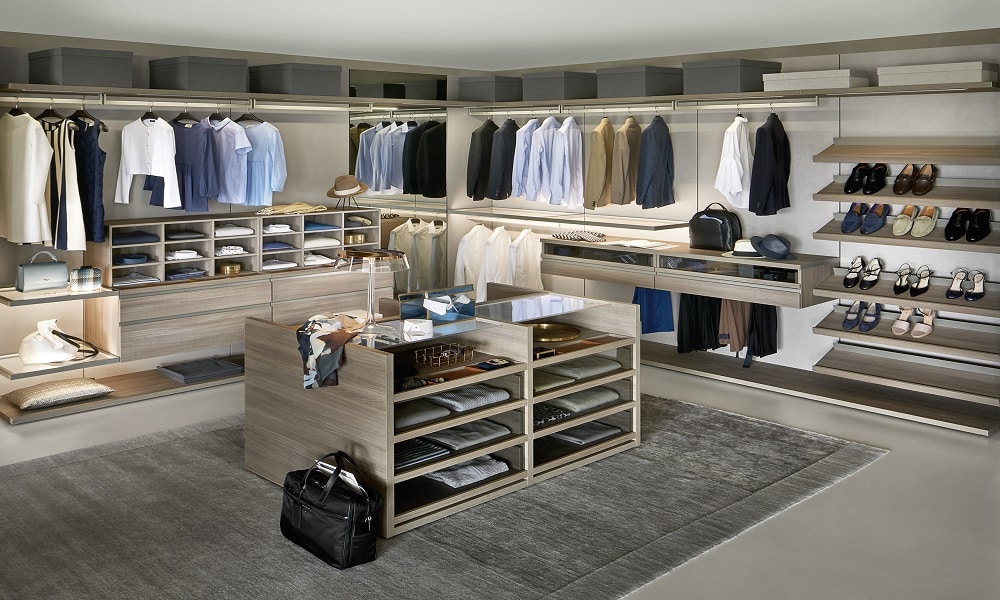
The Smartest Walk-In Layouts That Double Your Usable Space
No matter how nice your materials are, you need a good plan to avoid clutter. The best tip for any walk-in closet is to use double-hanging rods, one above the other. This setup doubles your space for shirts, folded pants, and skirts, which is especially helpful in smaller closets.
 
When planning, remember the “36-inch rule.” You need at least 36 inches of space for a walkway so you can move easily and open drawers all the way. This is especially important if you want an island in your closet. If you can’t keep a 36-inch path on all sides, the island will make the space feel tight.
  • Walk-In Layout Rules of Thumb:
    1. Use Double-Hanging for most shirts and pants.
    2. Leave 36 inches of clear walkway for easy movement.
    3. Reserve one wall for full-length items like dresses and coats.

Leave a Comment

Your email address will not be published. Required fields are marked *